
Gossip 📖 4 min read
Few topics spark conversation as quickly as the lives of famous people. From tea-time chats to online comment sections, celebrity gossip seems to be everywhere. Some people dismiss it as shallow, but researchers who study human behaviour suggest that gossip has deep roots in how we connect and learn from each other. Understanding why we find it appealing helps us enjoy it with awareness and kindness.
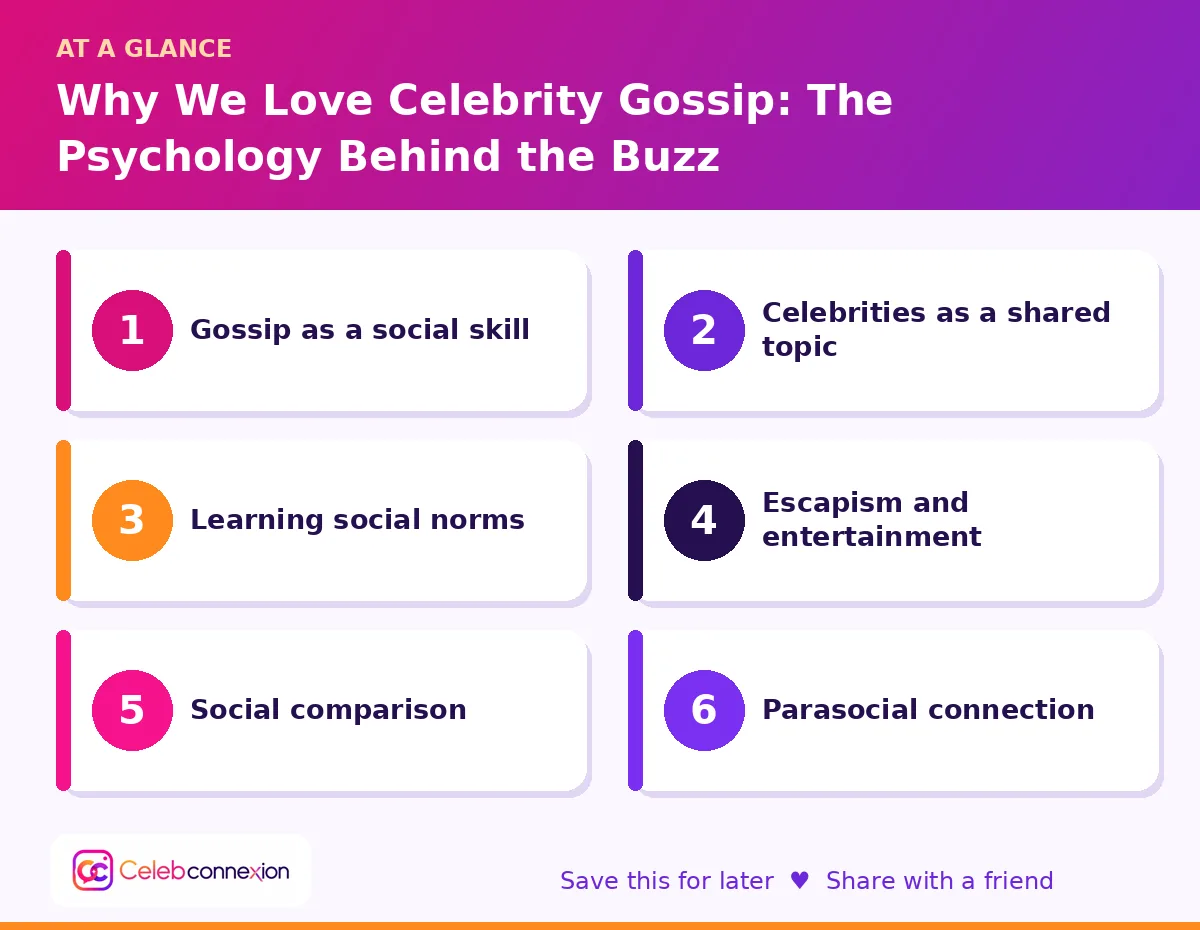
Gossip as a social skill
For most of human history, people lived in small groups where knowing about others’ behaviour was important for cooperation and trust. Sharing information about who was reliable or helpful was a way of managing relationships. Modern celebrity gossip may be a version of that instinct, directed at people we see regularly in the media.
Celebrities as a shared topic
Because many people know the same famous faces, they become a common reference point. Talking about a film star’s latest project or a singer’s fashion choice is an easy, low-risk way to start a conversation with strangers or colleagues. It builds bonds without requiring personal disclosure.
Learning social norms
Stories about public figures can function as case studies. When we discuss how someone handled success, criticism or a personal challenge, we are comparing values and thinking about what behaviour we consider acceptable. Gossip allows us to test our views on fairness, loyalty and honesty.
Escapism and entertainment
Celebrity news offers a break from everyday worries. Glamorous events, dramatic stories and unexpected twists give the mind a pleasant distraction, much like a television drama. For many people, reading about celebrities is simply a harmless way to relax.
Social comparison
Humans naturally compare themselves with others. Seeing famous people’s achievements may inspire us, while their struggles can make us feel less alone. Sometimes comparison causes envy or dissatisfaction, particularly when the content shows only highlights. Being aware of this effect helps maintain perspective.
Parasocial connection
Regular exposure to a public figure can create a feeling of familiarity, even though the relationship is one-sided. Following their updates may feel like keeping up with a friend. This closeness explains why fans feel invested in a celebrity’s wellbeing or major life events.
The role of media and social platforms
News outlets, entertainment channels and social platforms know that celebrity stories attract attention. Headlines are crafted to spark curiosity. Algorithms may show more of what we engage with, which can create a loop of constant updates. Awareness of these systems helps us choose what we consume.
When gossip becomes harmful
Gossip crosses a line when it spreads false claims, invades privacy, targets families or children or encourages harassment. Public figures are still people with feelings, and they have a right to personal boundaries. Online pile-ons can have serious consequences for mental health.
How to enjoy gossip responsibly
Choose reliable sources and treat unverified claims as speculation. Focus on public work and statements rather than private matters. Avoid sharing images or details obtained without consent. Keep comments respectful, even when you disagree. Notice how content makes you feel, and take a break if it increases stress or negativity.
Turning curiosity into something positive
Interest in celebrities can lead to learning about films, music, fashion and charity work. Following public figures who raise awareness about social causes can inspire action. Discussing their projects with friends can build community.
💬 Frequently asked questions
⭐ Key takeaways
- Gossip has social roots: it helps people bond, compare values and learn what behaviour a community accepts.
- Celebrities act as a shared topic that makes conversation easy among strangers.
- Social comparison and one-sided attachment explain why public stories can feel personal.
- Healthy enjoyment means reliable sources, respect for privacy and kindness in comments.
🎯 The bottom line
Celebrity gossip satisfies our desire for connection, entertainment and understanding. Knowing the psychology behind it allows us to enjoy the buzz while remaining thoughtful and kind. Curiosity is natural; how we use it is a choice.